Buy firelle.be ?
We are moving the project
firelle.be .
Are you interested in purchasing the domain
firelle.be ?
domain@kv-gmbh.de · 0541-91531010
Buy firelle.be ?
How do alcoholic fermentation and lactic acid fermentation differ?
Alcoholic fermentation and lactic acid fermentation are both forms of anaerobic respiration that produce energy in the absence of oxygen. The main difference between the two is the end products they produce. Alcoholic fermentation produces ethanol and carbon dioxide, while lactic acid fermentation produces lactic acid. Additionally, alcoholic fermentation is commonly used in the production of alcoholic beverages, while lactic acid fermentation is used in the production of dairy products like yogurt and cheese. **
What is alcoholic fermentation?
Alcoholic fermentation is a metabolic process carried out by yeast and some bacteria in the absence of oxygen. During this process, sugars such as glucose are converted into ethanol and carbon dioxide, along with energy in the form of adenosine triphosphate (ATP). This process is commonly used in the production of alcoholic beverages such as beer, wine, and spirits. **

Similar search terms for Fermentation
Top-Angebote
Products related to Fermentation:
-
Fluff Fermentation essence visage à l'acide hyaluronique 80 mlFluff Fermentation, 80 ml, Lotions visage pour femme, Le produit : apporte au visage hydratation et fraîcheur régénère la barrière cutanée laisse la peau merveilleusement souple rend le visage lumineux Mode d’emploi : Vaporisez une quantité suffisante de produit sur votre visage. Utilisez-le à tout moment de la journée.3,92 €*Shipping: 3,45 €Secure redirect to the provider
-
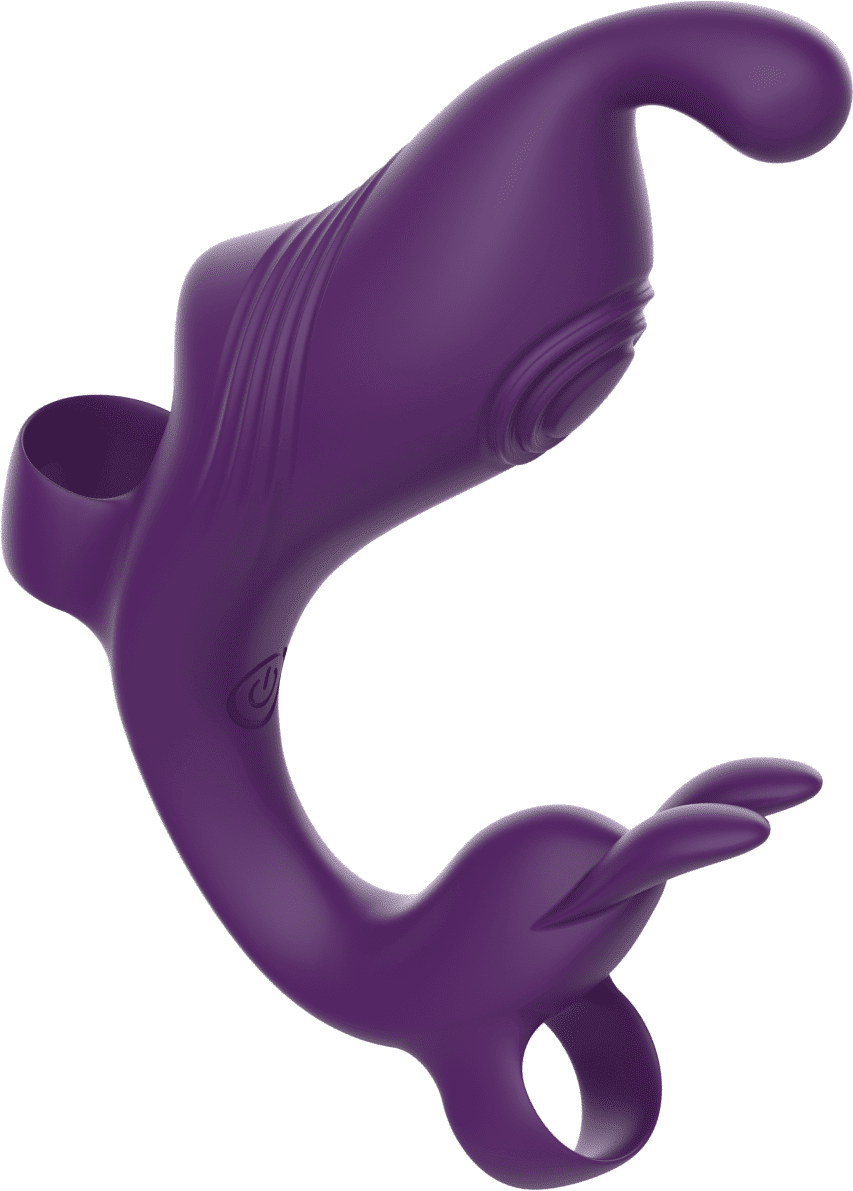
Coeur Ardent Doigt Vibrant à Double Moteur INFERNOFaites glisser vos doigts et sentez la vibration s’éveiller sous la peau. C’est instantané. La main s’anime, le rythme change, la curiosité monte. Avec le Doigt Vibrant à Double Moteur INFERNO de Coeur Ardent, chaque geste devient une découverte.Deux moteurs pour une intensité maîtrisée 🔥Ce petit37,99 €*Shipping: 0,00 €Secure redirect to the provider
-
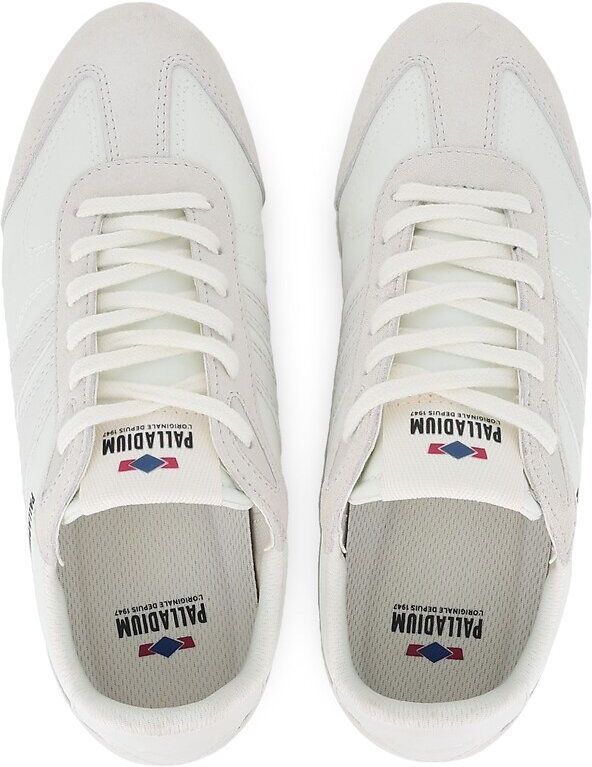
PALLADIUM Baskets Pallaracer FlameDétails produit • Usage sportswear • Talon plat • Fermeture : A lacets Composition et Entretien • Dessus/Tige : 45% polyamide, 35% nubuck, 20% synthétique • Doublure : 100% polyester • Semelle intérieure : 100% polyester • Semelle extérieure : 100% caoutchouc • OEKO-TEX® Standard 100. La certification OEKO-TEX® Standard 100 contrôle les substances nocives des produits textiles via un label indépendant et international.58,50 €*Shipping: 3,99 €Secure redirect to the provider
-
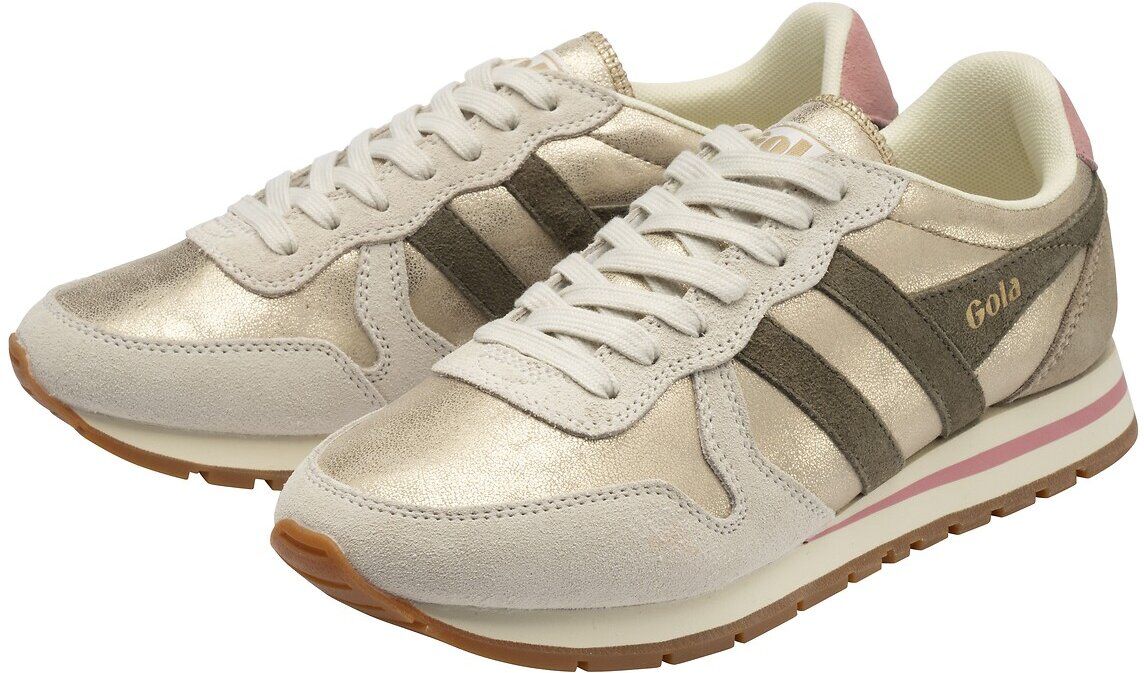
GOLA Baskets DAYTONA BLAZEDétails produit • Usage sportswear • Talon plat • Fermeture : A lacets Composition et Entretien • Dessus/Tige : 80% polyuréthane, 20% cuir • Doublure : 100% textile • Semelle intérieure : 100% textile • Semelle extérieure : 100% caoutchouc • CUIR ISSU DE TANNERIES AUX PERFORMANCES ENVIRONNEMENTALES CERTIFIÉES. La certification Leather Working Group (LWG) est une certification internationale de référence portant sur la performance environnementale des tanneries (consommation d’énergie et d’eau, rejets dans l’eau, émissions dans l’air, etc.).100,00 €*Shipping: 3,99 €Secure redirect to the provider

-
Mold or simple fermentation layer?
Determining whether a substance has mold or a simple fermentation layer can be done by examining its appearance and smell. Mold typically appears fuzzy or powdery and can be various colors like green, white, or black. It also often has a musty or unpleasant odor. On the other hand, a simple fermentation layer may appear as a thin film or bubbles on the surface of the substance and usually has a sour or tangy smell. It is important to exercise caution when dealing with mold as it can be harmful if ingested. **
-
What is the difference between glycolysis, lactic acid fermentation, alcoholic fermentation, and cellular respiration?
Glycolysis is the first step in cellular respiration, where glucose is broken down into pyruvate. Lactic acid fermentation occurs when there is not enough oxygen present, and pyruvate is converted into lactic acid. Alcoholic fermentation also occurs when there is not enough oxygen present, and pyruvate is converted into ethanol and carbon dioxide. Cellular respiration is the overall process that includes glycolysis, the Krebs cycle, and the electron transport chain, where glucose is fully broken down to produce ATP, the energy currency of the cell. **
-
Do molds also carry out fermentation?
Yes, molds can also carry out fermentation. Some molds, like certain species of Aspergillus, are used in the fermentation process to produce various foods and beverages such as soy sauce, tempeh, and certain types of cheeses. During fermentation, molds break down sugars and other organic compounds to produce various byproducts such as acids, alcohols, and gases. **
-
How is methane produced through fermentation?
Methane is produced through fermentation by a group of microorganisms called methanogens. These microorganisms break down organic matter in an anaerobic (oxygen-free) environment, such as in wetlands, landfills, or the digestive systems of animals. During the fermentation process, methanogens convert the organic matter into methane gas and carbon dioxide. This methane gas can then be captured and used as a renewable energy source. **

What is fermentation in baked goods?
Fermentation in baked goods is the process where yeast or bacteria break down sugars in the dough, producing carbon dioxide gas and alcohol. This gas causes the dough to rise, resulting in a light and airy texture in the finished product. Fermentation also develops flavor in the dough as the yeast or bacteria produce organic acids and other compounds during the process. **
What happened in the fermentation cellar?
In the fermentation cellar, the grape juice undergoes fermentation, where yeast converts the sugars in the juice into alcohol. This process typically takes several days to a few weeks, depending on the desired style of wine. During fermentation, carbon dioxide is released, causing the grape skins to rise to the surface in a cap, which needs to be pushed down or mixed back into the juice to ensure proper extraction of flavors and colors. Temperature control is also crucial during fermentation to maintain the desired flavors and aromas in the wine. **
Top-Angebote
Products related to Fermentation:
-
Fluff Fermentation essence visage avec prébiotiques 80 mlFluff Fermentation, 80 ml, Lotions visage pour femme, Le produit : apporte au visage hydratation et fraîcheur réduit les rides et ridules régénère la barrière cutanée renforce la barrière cutanée Mode d’emploi : Vaporisez une quantité suffisante de produit sur votre visage. Utilisez-le à tout moment de la journée.3,84 €*Shipping: 3,45 €Secure redirect to the provider
-
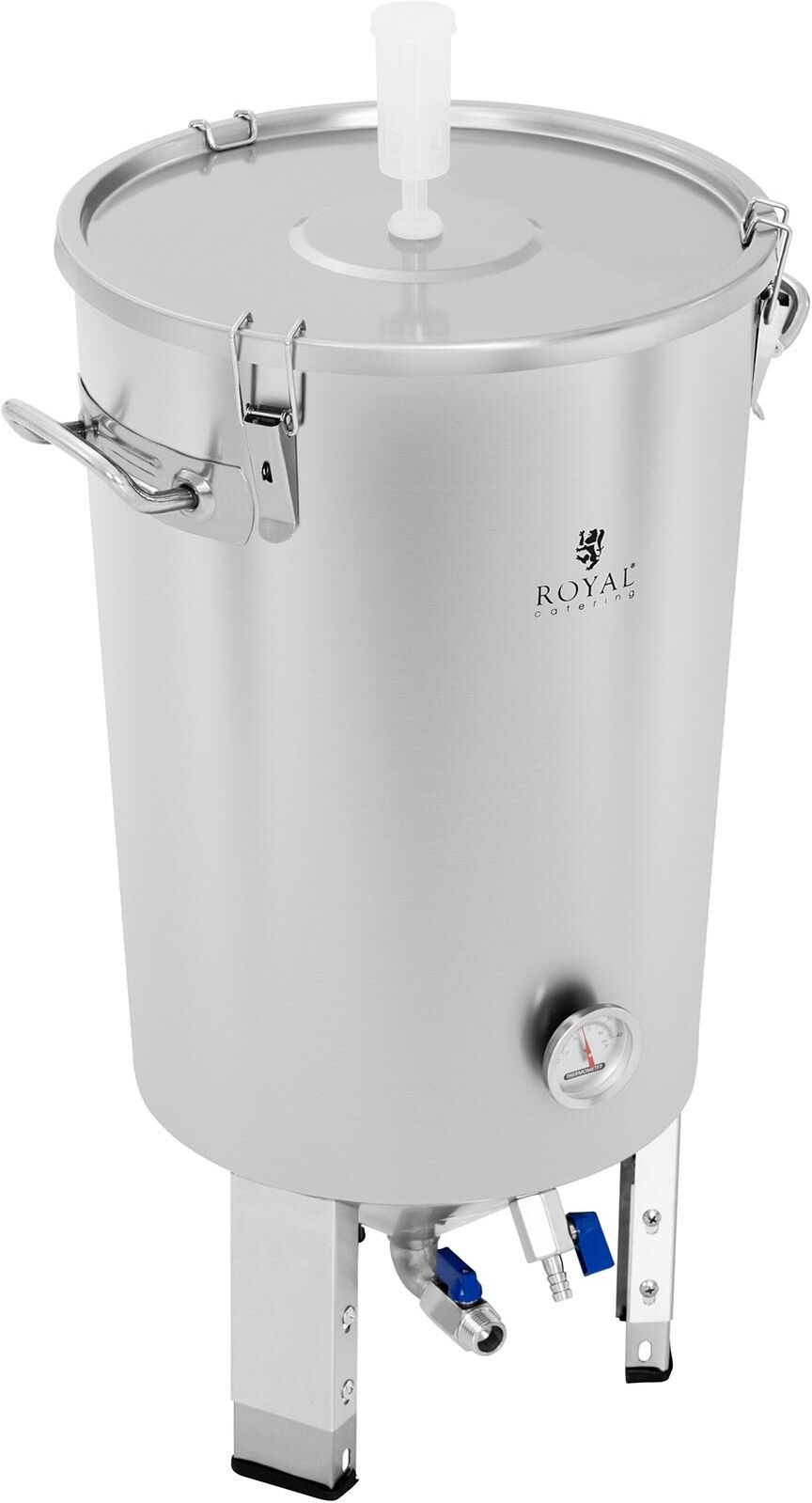
Royal Catering Cuve de fermentation - 30 l RCBM-44CFLa cuve de fermentation RCBM-44CF de Royal Catering, votre référence en matière de matériel de restauration, est l’équipement idéal pour les brasseurs amateurs, les vignerons en devenir et les producteurs professionnels d’alcool. Partout où l’on fait mûrir la bière ou le vin, une cuve en inox qui n’altère pas le goût est indispensable. Grâce à sa forme conique, ce fermenteur en inox d’un volume de 30 l permet de bien séparer le liquide clair des sédiments qui se déposent lentement au fond de la cuve sous l’effet de la gravité. L’appareil est muni de deux robinets qui font du prélèvement du liquide et de l’évacuation des dépôts un véritable jeu d’enfant : il suffit d’ouvrir le robinet au bas de la cuve pour laisser s’écouler les sédiments tels que les surplus de levure, puis d’utiliser le robinet latéral pour prélever le moût. Le fermenteur à bière comporte un thermomètre permettant de surveiller précisément la température de fermentation. Fonctionnant en continu, celui-ci affiche les valeurs en Celsius et en Fahrenheit sur une plage de 0 – 40 °C et 0 – 104 °F. Un orifice au niveau du couvercle permet la pose d’un barboteur afin de laisser s’échapper le gaz tout en prévenant la pénétration d’oxygène dans la cuve, ce qui se produirait si le couvercle était ouvert. L’inox alimentaire composant la cuve de fermentation est facile à nettoyer et il garantit une saveur inaltérée à votre bière ou à votre vin maison. Les trois pieds stables du fermenteur sont recouverts de capuchons protecteurs noirs qui ménagent le sol. Pour plus de sécurité, le couvercle étanche est maintenu en place par trois fermoirs grenouille. Deux poignées latérales permettent de transporter avec aise la cuve de fermentation compacte et facile à stocker. Donnez tout le temps nécessaire à votre bière ou à votre vin pour atteindre la pleine maturité et développer leurs arômes. Commandez sans plus attendre une cuve de fermentation et vous pourrez bientôt déguster entre amis un produit dont vous seul aurez le secret.128,00 €*Shipping: 0,00 €Secure redirect to the provider
-
Fluff Fermentation essence visage à l'acide hyaluronique 80 mlFluff Fermentation, 80 ml, Lotions visage pour femme, Le produit : apporte au visage hydratation et fraîcheur régénère la barrière cutanée laisse la peau merveilleusement souple rend le visage lumineux Mode d’emploi : Vaporisez une quantité suffisante de produit sur votre visage. Utilisez-le à tout moment de la journée.3,92 €*Shipping: 3,45 €Secure redirect to the provider
-
Coeur Ardent Doigt Vibrant à Double Moteur INFERNOFaites glisser vos doigts et sentez la vibration s’éveiller sous la peau. C’est instantané. La main s’anime, le rythme change, la curiosité monte. Avec le Doigt Vibrant à Double Moteur INFERNO de Coeur Ardent, chaque geste devient une découverte.Deux moteurs pour une intensité maîtrisée 🔥Ce petit37,99 €*Shipping: 0,00 €Secure redirect to the provider
-
How do alcoholic fermentation and lactic acid fermentation differ?
Alcoholic fermentation and lactic acid fermentation are both forms of anaerobic respiration that produce energy in the absence of oxygen. The main difference between the two is the end products they produce. Alcoholic fermentation produces ethanol and carbon dioxide, while lactic acid fermentation produces lactic acid. Additionally, alcoholic fermentation is commonly used in the production of alcoholic beverages, while lactic acid fermentation is used in the production of dairy products like yogurt and cheese. **
-
What is alcoholic fermentation?
Alcoholic fermentation is a metabolic process carried out by yeast and some bacteria in the absence of oxygen. During this process, sugars such as glucose are converted into ethanol and carbon dioxide, along with energy in the form of adenosine triphosphate (ATP). This process is commonly used in the production of alcoholic beverages such as beer, wine, and spirits. **
-
Mold or simple fermentation layer?
Determining whether a substance has mold or a simple fermentation layer can be done by examining its appearance and smell. Mold typically appears fuzzy or powdery and can be various colors like green, white, or black. It also often has a musty or unpleasant odor. On the other hand, a simple fermentation layer may appear as a thin film or bubbles on the surface of the substance and usually has a sour or tangy smell. It is important to exercise caution when dealing with mold as it can be harmful if ingested. **
-
What is the difference between glycolysis, lactic acid fermentation, alcoholic fermentation, and cellular respiration?
Glycolysis is the first step in cellular respiration, where glucose is broken down into pyruvate. Lactic acid fermentation occurs when there is not enough oxygen present, and pyruvate is converted into lactic acid. Alcoholic fermentation also occurs when there is not enough oxygen present, and pyruvate is converted into ethanol and carbon dioxide. Cellular respiration is the overall process that includes glycolysis, the Krebs cycle, and the electron transport chain, where glucose is fully broken down to produce ATP, the energy currency of the cell. **
Similar search terms for Fermentation
-
PALLADIUM Baskets Pallaracer FlameDétails produit • Usage sportswear • Talon plat • Fermeture : A lacets Composition et Entretien • Dessus/Tige : 45% polyamide, 35% nubuck, 20% synthétique • Doublure : 100% polyester • Semelle intérieure : 100% polyester • Semelle extérieure : 100% caoutchouc • OEKO-TEX® Standard 100. La certification OEKO-TEX® Standard 100 contrôle les substances nocives des produits textiles via un label indépendant et international.58,50 €*Shipping: 3,99 €Secure redirect to the provider
-
GOLA Baskets DAYTONA BLAZEDétails produit • Usage sportswear • Talon plat • Fermeture : A lacets Composition et Entretien • Dessus/Tige : 80% polyuréthane, 20% cuir • Doublure : 100% textile • Semelle intérieure : 100% textile • Semelle extérieure : 100% caoutchouc • CUIR ISSU DE TANNERIES AUX PERFORMANCES ENVIRONNEMENTALES CERTIFIÉES. La certification Leather Working Group (LWG) est une certification internationale de référence portant sur la performance environnementale des tanneries (consommation d’énergie et d’eau, rejets dans l’eau, émissions dans l’air, etc.).100,00 €*Shipping: 3,99 €Secure redirect to the provider
-
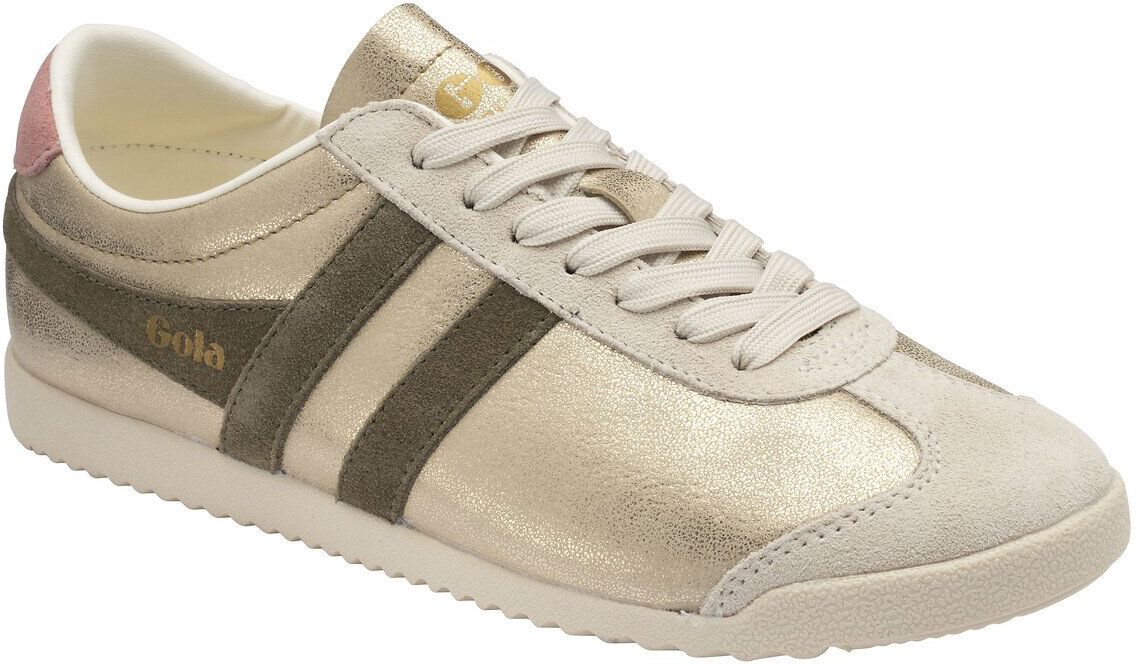
GOLA Baskets BULLET BLAZEDétails produit • Usage sportswear • Talon plat • Fermeture : A lacets Composition et Entretien • Dessus/Tige : 80% polyuréthane, 20% cuir • Doublure : 50% autres matériaux, 50% textile • Semelle intérieure : 100% textile • Semelle extérieure : 100% caoutchouc • CUIR ISSU DE TANNERIES AUX PERFORMANCES ENVIRONNEMENTALES CERTIFIÉES. La certification Leather Working Group (LWG) est une certification internationale de référence portant sur la performance environnementale des tanneries (consommation d’énergie et d’eau, rejets dans l’eau, émissions dans l’air, etc.).100,00 €*Shipping: 3,99 €Secure redirect to the provider
-
PALLADIUM Baskets Pallacup Flame SuedeDétails produit • Usage sportswear • Talon plat • Fermeture : A lacets Composition et Entretien • Dessus/Tige : 100% nubuck • Doublure : 100% polyester • Semelle intérieure : 100% polyester • Semelle extérieure : 100% caoutchouc • OEKO-TEX® Standard 100. La certification OEKO-TEX® Standard 100 contrôle les substances nocives des produits textiles via un label indépendant et international.65,00 €*Shipping: 3,99 €Secure redirect to the provider
-
Do molds also carry out fermentation?
Yes, molds can also carry out fermentation. Some molds, like certain species of Aspergillus, are used in the fermentation process to produce various foods and beverages such as soy sauce, tempeh, and certain types of cheeses. During fermentation, molds break down sugars and other organic compounds to produce various byproducts such as acids, alcohols, and gases. **
-
How is methane produced through fermentation?
Methane is produced through fermentation by a group of microorganisms called methanogens. These microorganisms break down organic matter in an anaerobic (oxygen-free) environment, such as in wetlands, landfills, or the digestive systems of animals. During the fermentation process, methanogens convert the organic matter into methane gas and carbon dioxide. This methane gas can then be captured and used as a renewable energy source. **
-
What is fermentation in baked goods?
Fermentation in baked goods is the process where yeast or bacteria break down sugars in the dough, producing carbon dioxide gas and alcohol. This gas causes the dough to rise, resulting in a light and airy texture in the finished product. Fermentation also develops flavor in the dough as the yeast or bacteria produce organic acids and other compounds during the process. **
-
What happened in the fermentation cellar?
In the fermentation cellar, the grape juice undergoes fermentation, where yeast converts the sugars in the juice into alcohol. This process typically takes several days to a few weeks, depending on the desired style of wine. During fermentation, carbon dioxide is released, causing the grape skins to rise to the surface in a cap, which needs to be pushed down or mixed back into the juice to ensure proper extraction of flavors and colors. Temperature control is also crucial during fermentation to maintain the desired flavors and aromas in the wine. **
* All prices are inclusive of VAT and, if applicable, plus shipping costs. The offer information is based on the details provided by the respective shop and is updated through automated processes. Real-time updates do not occur, so deviations can occur in individual cases. ** Note: Parts of this content were created by AI.