Buy firelle.be ?
We are moving the project
firelle.be .
Are you interested in purchasing the domain
firelle.be ?
domain@kv-gmbh.de · 0541-91531010
Buy firelle.be ?
What are the reparation payments from Germany to Poland?
Reparation payments from Germany to Poland refer to the financial compensation that Germany agreed to pay to Poland as a result of the damages caused during World War II. The payments were intended to cover the costs of the destruction and suffering inflicted on Poland by the German occupation. The exact amount of reparations has been a subject of debate and negotiations between the two countries, with Poland seeking a significant sum to address the historical injustices. **
How should Keynes' statement regarding reparation payments be evaluated?
Keynes' statement regarding reparation payments should be evaluated as a critique of the harsh economic burden placed on Germany after World War I. He argued that the excessive reparations demanded by the Treaty of Versailles would cripple Germany's economy and hinder its ability to contribute to the global economy. Keynes' prediction proved to be accurate, as Germany struggled with hyperinflation and economic instability in the years following the treaty. His statement highlights the importance of considering the long-term economic consequences of punitive measures in international relations. **

Similar search terms for Reparation
Top-Angebote
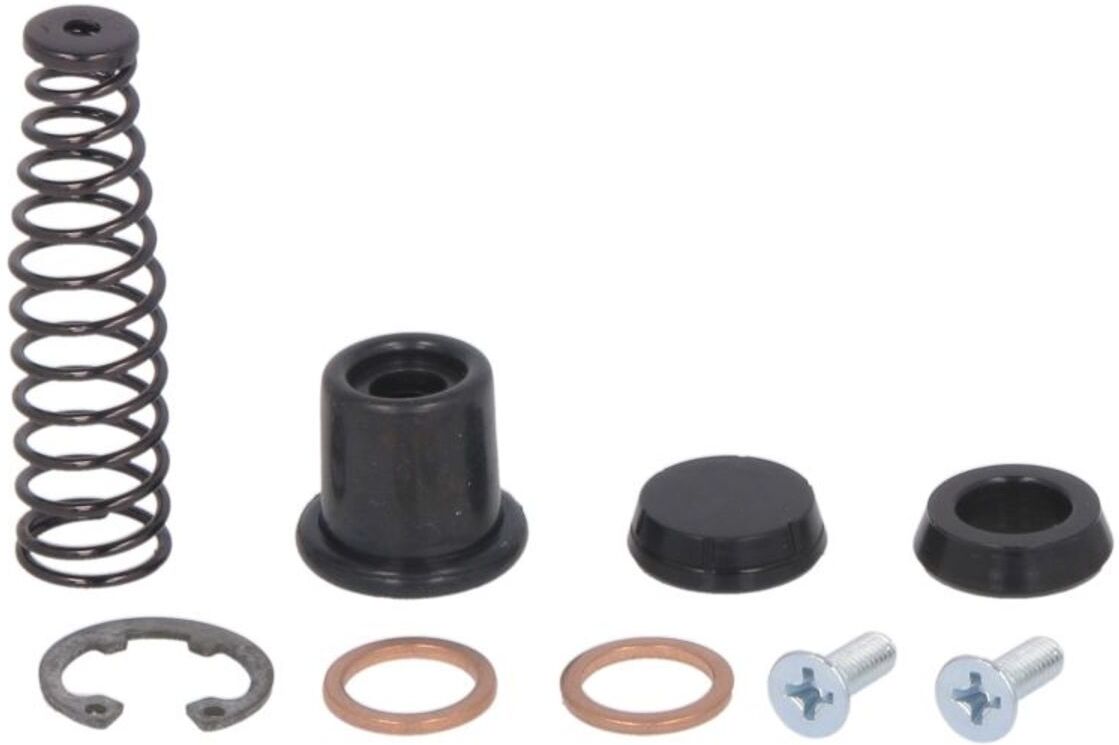
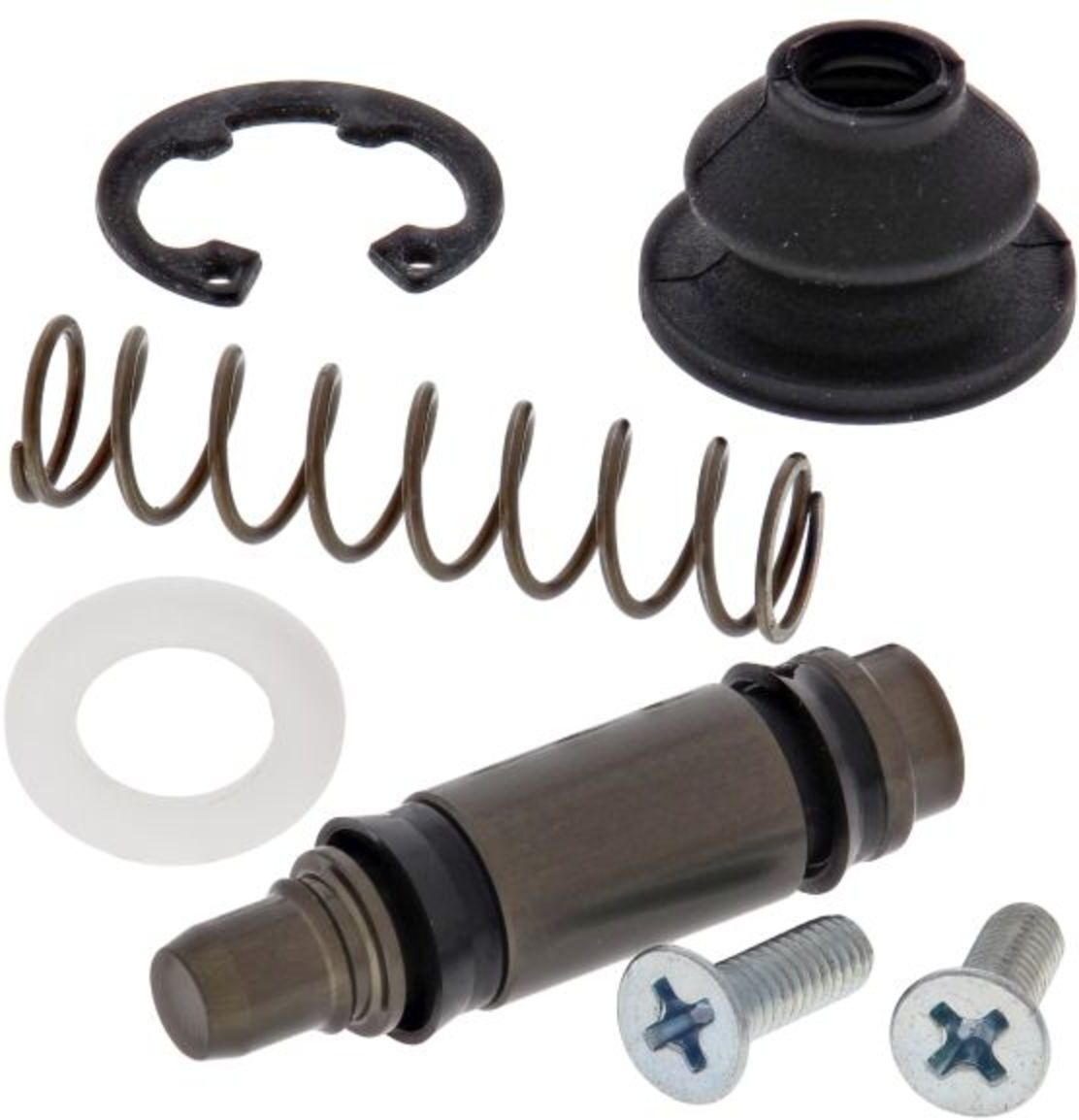
Products related to Reparation:


-
How are the reparation demands and the inflation of 1923 related?
The reparation demands and the inflation of 1923 are related because the reparation demands imposed on Germany by the Treaty of Versailles after World War I placed a heavy financial burden on the country. In order to meet these demands, the German government resorted to printing more money, leading to hyperinflation. This hyperinflation caused the value of the German mark to plummet, making it nearly worthless and resulting in severe economic hardship for the German people. The combination of reparation demands and hyperinflation contributed to the destabilization of the German economy and political system during this period. **
-
Why is there no flame in the gas heater, only a spark?
A gas heater uses a spark to ignite the gas and create a flame. Once the gas is ignited, it continues to burn and produce heat without the need for a continuous spark. Therefore, after the initial spark, there is no need for it to remain lit as long as the gas is burning. This is why you may only see a spark when the gas heater is turned on, and not a continuous flame. **
-
How can one heat a plate over a candle flame?
To heat a plate over a candle flame, you can hold the plate above the flame at a safe distance to avoid direct contact with the flame. Move the plate back and forth over the flame to evenly distribute the heat. Be cautious not to hold the plate too close to the flame to prevent it from getting too hot or potentially breaking. **
-
Is ember hotter than fire?
No, ember is not hotter than fire. Ember is the glowing remains of a fire that has started to die down, whereas fire is the active, burning flames produced by a combustion reaction. Fire typically burns at a higher temperature than ember, as it is actively consuming fuel and releasing heat and light. **
What is a ember tetra?
An ember tetra is a small freshwater fish that is popular in the aquarium hobby. It is known for its vibrant red and orange coloration, resembling the glowing embers of a fire, hence its name. Ember tetras are peaceful and social fish that do well in community aquariums with other small, non-aggressive fish. They are relatively easy to care for and are a great choice for beginner fish keepers. **
Can a horse's blaze change?
Yes, a horse's blaze can change over time. A blaze is a white marking on a horse's face, and it can change in size, shape, or color as the horse grows and ages. Sometimes, a horse's blaze may become more pronounced or fade as the horse's coat changes with the seasons. Additionally, injuries or scars on the face can also alter the appearance of a horse's blaze. **
Top-Angebote
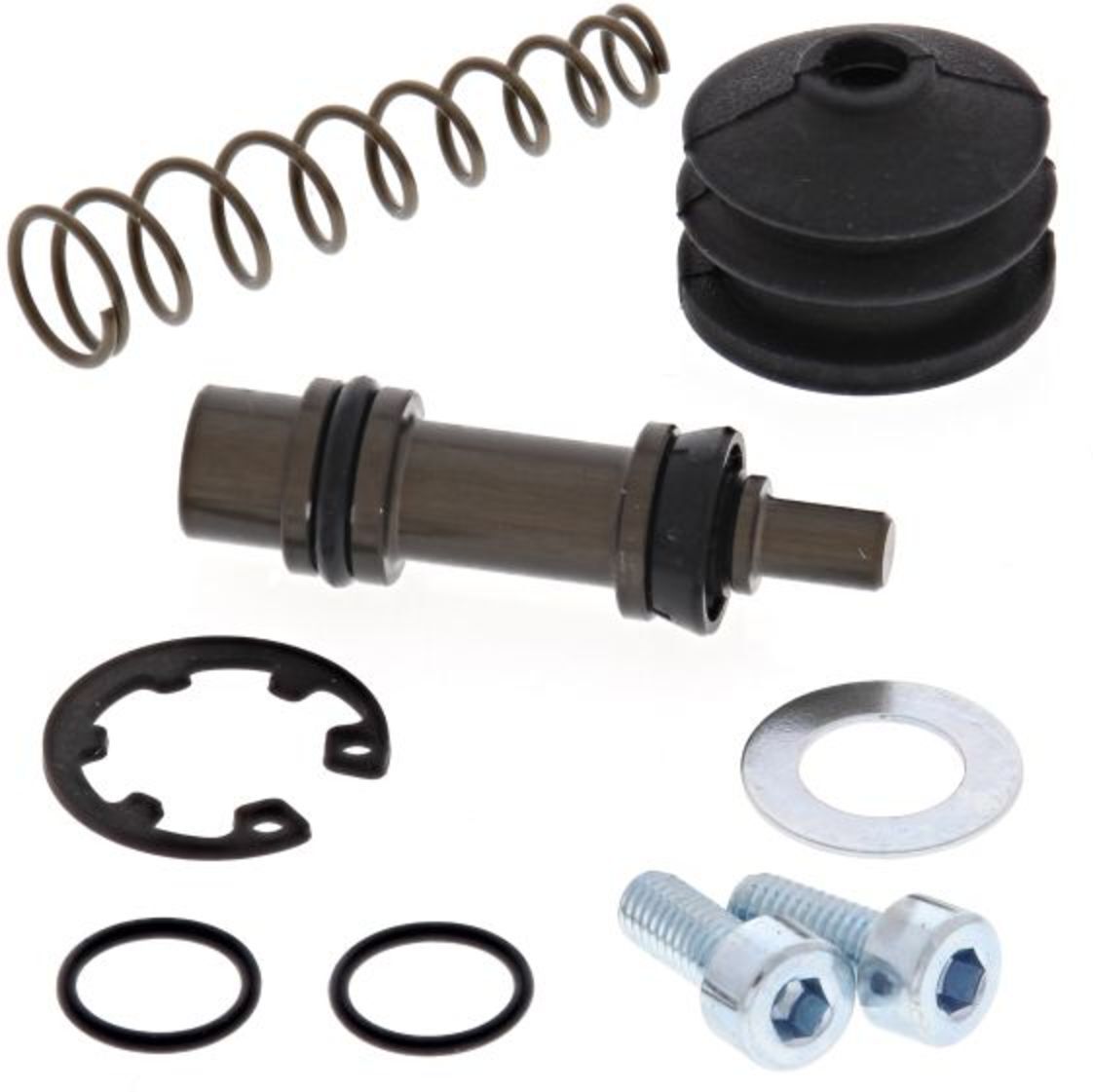
Products related to Reparation:
-
What are the reparation payments from Germany to Poland?
Reparation payments from Germany to Poland refer to the financial compensation that Germany agreed to pay to Poland as a result of the damages caused during World War II. The payments were intended to cover the costs of the destruction and suffering inflicted on Poland by the German occupation. The exact amount of reparations has been a subject of debate and negotiations between the two countries, with Poland seeking a significant sum to address the historical injustices. **
-
How should Keynes' statement regarding reparation payments be evaluated?
Keynes' statement regarding reparation payments should be evaluated as a critique of the harsh economic burden placed on Germany after World War I. He argued that the excessive reparations demanded by the Treaty of Versailles would cripple Germany's economy and hinder its ability to contribute to the global economy. Keynes' prediction proved to be accurate, as Germany struggled with hyperinflation and economic instability in the years following the treaty. His statement highlights the importance of considering the long-term economic consequences of punitive measures in international relations. **
-
How are the reparation demands and the inflation of 1923 related?
The reparation demands and the inflation of 1923 are related because the reparation demands imposed on Germany by the Treaty of Versailles after World War I placed a heavy financial burden on the country. In order to meet these demands, the German government resorted to printing more money, leading to hyperinflation. This hyperinflation caused the value of the German mark to plummet, making it nearly worthless and resulting in severe economic hardship for the German people. The combination of reparation demands and hyperinflation contributed to the destabilization of the German economy and political system during this period. **
-
Why is there no flame in the gas heater, only a spark?
A gas heater uses a spark to ignite the gas and create a flame. Once the gas is ignited, it continues to burn and produce heat without the need for a continuous spark. Therefore, after the initial spark, there is no need for it to remain lit as long as the gas is burning. This is why you may only see a spark when the gas heater is turned on, and not a continuous flame. **
Similar search terms for Reparation
-
How can one heat a plate over a candle flame?
To heat a plate over a candle flame, you can hold the plate above the flame at a safe distance to avoid direct contact with the flame. Move the plate back and forth over the flame to evenly distribute the heat. Be cautious not to hold the plate too close to the flame to prevent it from getting too hot or potentially breaking. **
-
Is ember hotter than fire?
No, ember is not hotter than fire. Ember is the glowing remains of a fire that has started to die down, whereas fire is the active, burning flames produced by a combustion reaction. Fire typically burns at a higher temperature than ember, as it is actively consuming fuel and releasing heat and light. **
-
What is a ember tetra?
An ember tetra is a small freshwater fish that is popular in the aquarium hobby. It is known for its vibrant red and orange coloration, resembling the glowing embers of a fire, hence its name. Ember tetras are peaceful and social fish that do well in community aquariums with other small, non-aggressive fish. They are relatively easy to care for and are a great choice for beginner fish keepers. **
-
Can a horse's blaze change?
Yes, a horse's blaze can change over time. A blaze is a white marking on a horse's face, and it can change in size, shape, or color as the horse grows and ages. Sometimes, a horse's blaze may become more pronounced or fade as the horse's coat changes with the seasons. Additionally, injuries or scars on the face can also alter the appearance of a horse's blaze. **
* All prices are inclusive of VAT and, if applicable, plus shipping costs. The offer information is based on the details provided by the respective shop and is updated through automated processes. Real-time updates do not occur, so deviations can occur in individual cases. ** Note: Parts of this content were created by AI.