Buy firelle.be ?
We are moving the project
firelle.be .
Are you interested in purchasing the domain
firelle.be ?
domain@kv-gmbh.de · 0541-91531010
Buy firelle.be ?
What is reactivity?
Reactivity refers to how likely a substance is to undergo a chemical reaction. Highly reactive substances are more likely to react with other substances, while less reactive substances are more stable and less likely to undergo reactions. Reactivity is influenced by factors such as the arrangement of electrons in an atom or molecule, the presence of functional groups, and the chemical environment in which the substance is placed. Understanding the reactivity of a substance is important in predicting its behavior in various chemical reactions. **
What is reactivity in elimination?
Reactivity in elimination refers to the relative ease with which a particular substrate undergoes elimination reaction. Substrates with more reactive leaving groups or more substituted carbons are generally more reactive in elimination reactions. Reactivity can also be influenced by the nature of the base or catalyst used in the elimination reaction. Understanding the reactivity of a substrate is important for predicting and controlling the outcome of elimination reactions. **

Similar search terms for Reactivity
Top-Angebote
Products related to Reactivity:
-
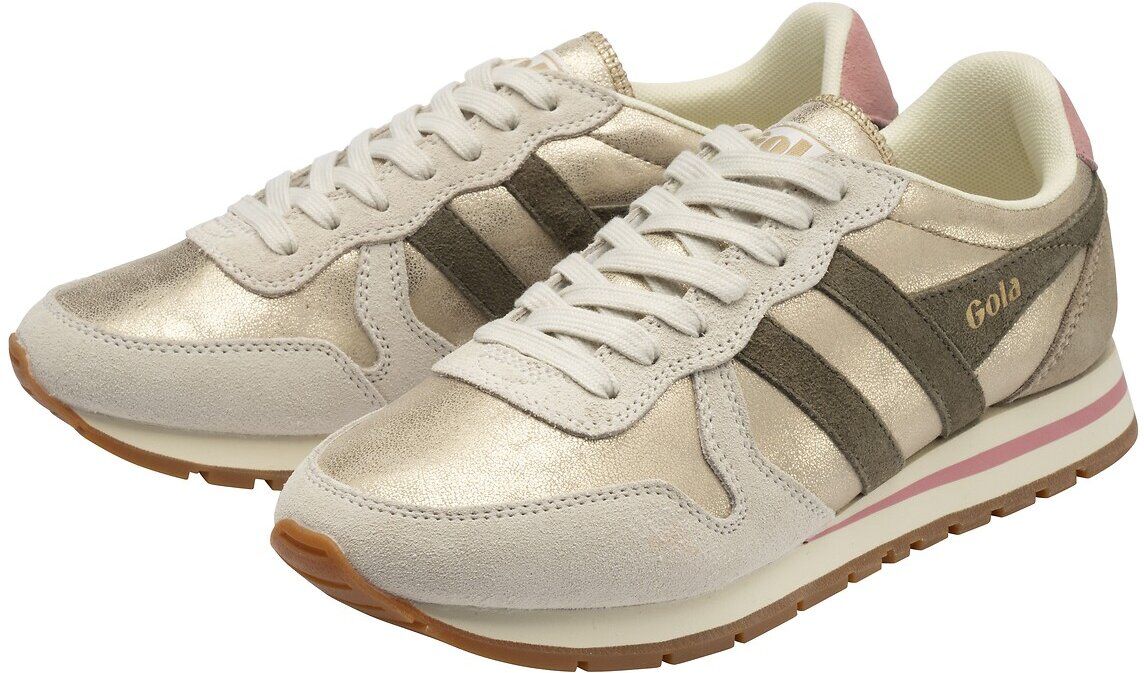
GOLA Baskets DAYTONA BLAZEDétails produit • Usage sportswear • Talon plat • Fermeture : A lacets Composition et Entretien • Dessus/Tige : 80% polyuréthane, 20% cuir • Doublure : 100% textile • Semelle intérieure : 100% textile • Semelle extérieure : 100% caoutchouc • CUIR ISSU DE TANNERIES AUX PERFORMANCES ENVIRONNEMENTALES CERTIFIÉES. La certification Leather Working Group (LWG) est une certification internationale de référence portant sur la performance environnementale des tanneries (consommation d’énergie et d’eau, rejets dans l’eau, émissions dans l’air, etc.).100,00 €*Shipping: 3,99 €Secure redirect to the provider
-
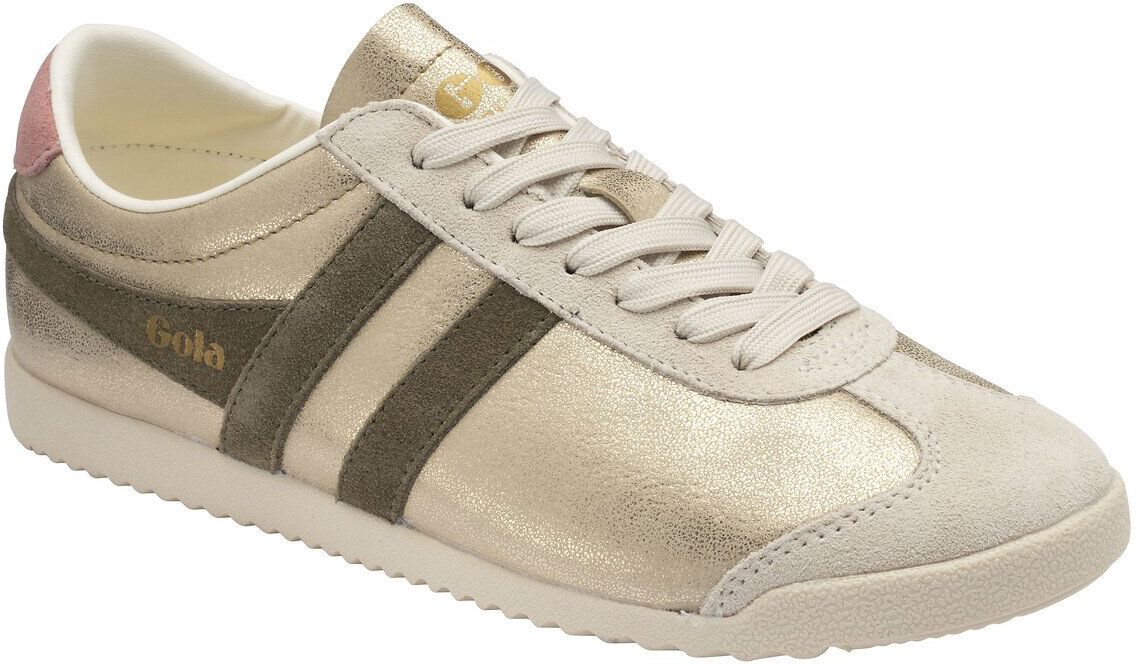
GOLA Baskets BULLET BLAZEDétails produit • Usage sportswear • Talon plat • Fermeture : A lacets Composition et Entretien • Dessus/Tige : 80% polyuréthane, 20% cuir • Doublure : 50% autres matériaux, 50% textile • Semelle intérieure : 100% textile • Semelle extérieure : 100% caoutchouc • CUIR ISSU DE TANNERIES AUX PERFORMANCES ENVIRONNEMENTALES CERTIFIÉES. La certification Leather Working Group (LWG) est une certification internationale de référence portant sur la performance environnementale des tanneries (consommation d’énergie et d’eau, rejets dans l’eau, émissions dans l’air, etc.).100,00 €*Shipping: 3,99 €Secure redirect to the provider
-
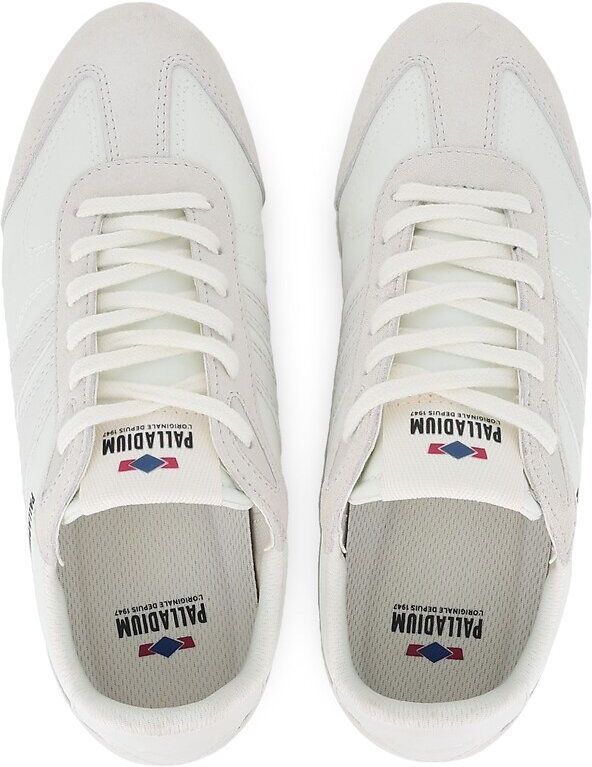
PALLADIUM Baskets Pallacup Flame SuedeDétails produit • Usage sportswear • Talon plat • Fermeture : A lacets Composition et Entretien • Dessus/Tige : 100% nubuck • Doublure : 100% polyester • Semelle intérieure : 100% polyester • Semelle extérieure : 100% caoutchouc • OEKO-TEX® Standard 100. La certification OEKO-TEX® Standard 100 contrôle les substances nocives des produits textiles via un label indépendant et international.65,00 €*Shipping: 3,99 €Secure redirect to the provider
-
ADIDAS SPORTSWEAR Baskets LIGHTBLAZE BLAZEDétails produit • Usage sportswear • Talon plat • Fermeture : A lacets Composition et Entretien • Dessus/Tige : 50% autres matériaux, 50% textile • Doublure : 100% textile • Semelle intérieure : 100% textile • Semelle extérieure : 100% caoutchouc90,00 €*Shipping: 3,99 €Secure redirect to the provider


-
What is reactivity in chemistry?
Reactivity in chemistry refers to the tendency of a substance to undergo chemical reactions with other substances. This can be influenced by factors such as the arrangement of electrons in the atoms, the presence of functional groups, and the stability of the resulting products. Highly reactive substances are more likely to participate in chemical reactions, while less reactive substances are more stable and less likely to undergo reactions. Understanding reactivity is important in predicting how substances will behave in various chemical processes and reactions. **
-
Why do alkenes and alkynes have a high reactivity? Why is the reactivity of alkenes greater than that of alkanes and the reactivity of alkynes the greatest?
Alkenes and alkynes have high reactivity due to the presence of pi bonds, which are more easily broken than the sigma bonds found in alkanes. The pi bonds in alkenes and alkynes are more exposed and less stable, making them more susceptible to reactions. The reactivity of alkenes is greater than that of alkanes because they have one or more pi bonds, which provide more opportunities for chemical reactions. Similarly, alkynes have the greatest reactivity because they have two pi bonds, making them even more susceptible to reactions than alkenes. **
-
What is the reactivity of alkenes and alkynes?
Alkenes and alkynes are more reactive than alkanes due to the presence of pi bonds in their structures. The pi bonds allow for the addition of atoms or groups to the carbon-carbon double or triple bond, making them susceptible to various types of reactions such as addition reactions. Alkynes are generally more reactive than alkenes due to the presence of a triple bond, which provides more opportunities for reactions to occur. Overall, the reactivity of alkenes and alkynes makes them important building blocks in organic chemistry for synthesizing a wide range of compounds. **
-
What is the reactivity of alkanes and alkenes?
Alkanes are relatively unreactive due to the presence of only single bonds between carbon atoms, which makes them stable and inert under most conditions. On the other hand, alkenes are more reactive than alkanes due to the presence of a double bond, which can undergo addition reactions with various reagents. This double bond provides alkenes with the ability to participate in a wide range of chemical reactions, making them more versatile in organic synthesis compared to alkanes. **

What is the reactivity of the main groups?
The reactivity of the main groups in the periodic table varies depending on the specific group. Generally, the alkali metals in Group 1 are highly reactive, readily forming ionic compounds with nonmetals. The alkaline earth metals in Group 2 are also reactive, but less so than the alkali metals. The halogens in Group 17 are highly reactive nonmetals, readily forming compounds with metals. The noble gases in Group 18 are generally unreactive due to their full outer electron shells. Overall, reactivity tends to increase going down a group and decrease going across a period from left to right. **
What is the reactivity series of metals in chemistry?
The reactivity series of metals is a list of metals arranged in order of their reactivity, from the most reactive to the least reactive. This series helps predict how metals will react with other substances, such as acids or water. Metals higher in the reactivity series will displace metals lower in the series from their compounds in reactions. The reactivity series is a fundamental concept in chemistry that helps understand the behavior of metals in various chemical reactions. **
Top-Angebote
Products related to Reactivity:
-
Coeur Ardent Doigt Vibrant à Double Moteur INFERNOFaites glisser vos doigts et sentez la vibration s’éveiller sous la peau. C’est instantané. La main s’anime, le rythme change, la curiosité monte. Avec le Doigt Vibrant à Double Moteur INFERNO de Coeur Ardent, chaque geste devient une découverte.Deux moteurs pour une intensité maîtrisée 🔥Ce petit37,99 €*Shipping: 0,00 €Secure redirect to the provider
-
PALLADIUM Baskets Pallaracer FlameDétails produit • Usage sportswear • Talon plat • Fermeture : A lacets Composition et Entretien • Dessus/Tige : 45% polyamide, 35% nubuck, 20% synthétique • Doublure : 100% polyester • Semelle intérieure : 100% polyester • Semelle extérieure : 100% caoutchouc • OEKO-TEX® Standard 100. La certification OEKO-TEX® Standard 100 contrôle les substances nocives des produits textiles via un label indépendant et international.58,50 €*Shipping: 3,99 €Secure redirect to the provider
-
GOLA Baskets DAYTONA BLAZEDétails produit • Usage sportswear • Talon plat • Fermeture : A lacets Composition et Entretien • Dessus/Tige : 80% polyuréthane, 20% cuir • Doublure : 100% textile • Semelle intérieure : 100% textile • Semelle extérieure : 100% caoutchouc • CUIR ISSU DE TANNERIES AUX PERFORMANCES ENVIRONNEMENTALES CERTIFIÉES. La certification Leather Working Group (LWG) est une certification internationale de référence portant sur la performance environnementale des tanneries (consommation d’énergie et d’eau, rejets dans l’eau, émissions dans l’air, etc.).100,00 €*Shipping: 3,99 €Secure redirect to the provider
-
GOLA Baskets BULLET BLAZEDétails produit • Usage sportswear • Talon plat • Fermeture : A lacets Composition et Entretien • Dessus/Tige : 80% polyuréthane, 20% cuir • Doublure : 50% autres matériaux, 50% textile • Semelle intérieure : 100% textile • Semelle extérieure : 100% caoutchouc • CUIR ISSU DE TANNERIES AUX PERFORMANCES ENVIRONNEMENTALES CERTIFIÉES. La certification Leather Working Group (LWG) est une certification internationale de référence portant sur la performance environnementale des tanneries (consommation d’énergie et d’eau, rejets dans l’eau, émissions dans l’air, etc.).100,00 €*Shipping: 3,99 €Secure redirect to the provider
-
What is reactivity?
Reactivity refers to how likely a substance is to undergo a chemical reaction. Highly reactive substances are more likely to react with other substances, while less reactive substances are more stable and less likely to undergo reactions. Reactivity is influenced by factors such as the arrangement of electrons in an atom or molecule, the presence of functional groups, and the chemical environment in which the substance is placed. Understanding the reactivity of a substance is important in predicting its behavior in various chemical reactions. **
-
What is reactivity in elimination?
Reactivity in elimination refers to the relative ease with which a particular substrate undergoes elimination reaction. Substrates with more reactive leaving groups or more substituted carbons are generally more reactive in elimination reactions. Reactivity can also be influenced by the nature of the base or catalyst used in the elimination reaction. Understanding the reactivity of a substrate is important for predicting and controlling the outcome of elimination reactions. **
-
What is reactivity in chemistry?
Reactivity in chemistry refers to the tendency of a substance to undergo chemical reactions with other substances. This can be influenced by factors such as the arrangement of electrons in the atoms, the presence of functional groups, and the stability of the resulting products. Highly reactive substances are more likely to participate in chemical reactions, while less reactive substances are more stable and less likely to undergo reactions. Understanding reactivity is important in predicting how substances will behave in various chemical processes and reactions. **
-
Why do alkenes and alkynes have a high reactivity? Why is the reactivity of alkenes greater than that of alkanes and the reactivity of alkynes the greatest?
Alkenes and alkynes have high reactivity due to the presence of pi bonds, which are more easily broken than the sigma bonds found in alkanes. The pi bonds in alkenes and alkynes are more exposed and less stable, making them more susceptible to reactions. The reactivity of alkenes is greater than that of alkanes because they have one or more pi bonds, which provide more opportunities for chemical reactions. Similarly, alkynes have the greatest reactivity because they have two pi bonds, making them even more susceptible to reactions than alkenes. **
Similar search terms for Reactivity
-
PALLADIUM Baskets Pallacup Flame SuedeDétails produit • Usage sportswear • Talon plat • Fermeture : A lacets Composition et Entretien • Dessus/Tige : 100% nubuck • Doublure : 100% polyester • Semelle intérieure : 100% polyester • Semelle extérieure : 100% caoutchouc • OEKO-TEX® Standard 100. La certification OEKO-TEX® Standard 100 contrôle les substances nocives des produits textiles via un label indépendant et international.65,00 €*Shipping: 3,99 €Secure redirect to the provider
-
ADIDAS SPORTSWEAR Baskets LIGHTBLAZE BLAZEDétails produit • Usage sportswear • Talon plat • Fermeture : A lacets Composition et Entretien • Dessus/Tige : 50% autres matériaux, 50% textile • Doublure : 100% textile • Semelle intérieure : 100% textile • Semelle extérieure : 100% caoutchouc90,00 €*Shipping: 3,99 €Secure redirect to the provider
-
GOLA Baskets à scratchs, DAYTONA BLAZE STRAPDétails produit • Usage sportswear • Talon plat • Fermeture : A scratchs Composition et Entretien • Dessus/Tige : 80% polyuréthane, 20% cuir • Doublure : 100% textile • Semelle intérieure : 100% textile • Semelle extérieure : 100% caoutchouc • CUIR ISSU DE TANNERIES AUX PERFORMANCES ENVIRONNEMENTALES CERTIFIÉES. La certification Leather Working Group (LWG) est une certification internationale de référence portant sur la performance environnementale des tanneries (consommation d’énergie et d’eau, rejets dans l’eau, émissions dans l’air, etc.).65,00 €*Shipping: 3,99 €Secure redirect to the provider
-
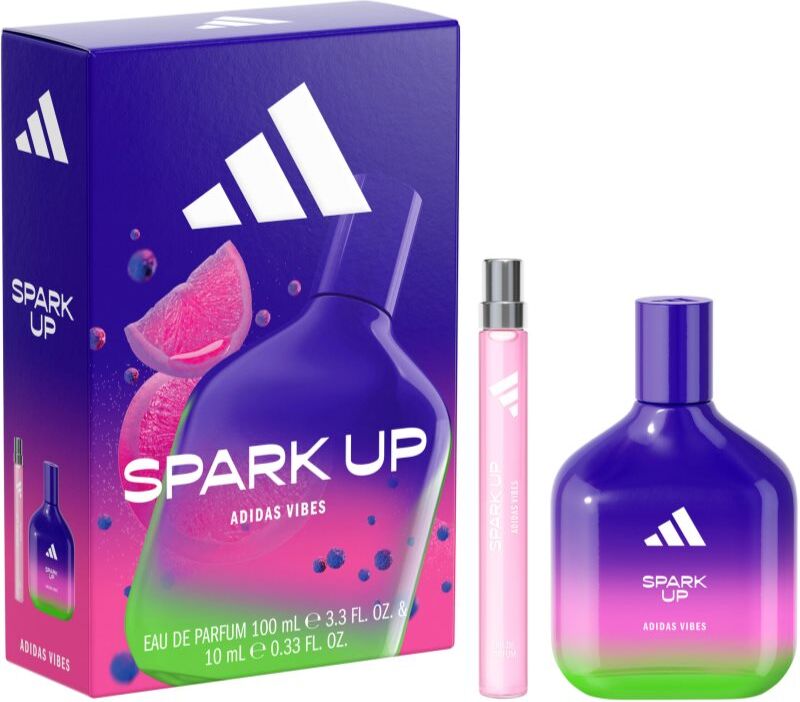
Adidas Vibes Spark Up coffret cadeau mixteAdidas Vibes Spark Up, , Coffret unisexe pour femme, Rien ne plaira plus aux amatrices de parfum que la miniature de leur parfum préféré, qu'elles pourront emporter partout. Le coffret de parfum mixte Adidas Vibes Spark Up plaira à coup sûr, pour vous ou à offrir. Le grand flacon restera sur la tablette de toilette, alors que la version miniature vous accompagnera dans tous vos déplacements. Le produit : mixte : tant pour les femmes que pour les hommes parfum hespéridé parfum épicé parfum floral composition équilibrée qui convient tant aux femmes qu’aux hommes cadeau idéal pour les personnes qui aiment les parfums originaux et singuliers parfum qui convient pour un usage quotidien, mais également pour des occasions spéciales L'ensemble contient: Adidas Vibes Spark Up Eau de Parfum 100 ml Adidas Vibes Spark Up Eau de Parfum 10 ml18,50 €*Shipping: 3,45 €Secure redirect to the provider
-
What is the reactivity of alkenes and alkynes?
Alkenes and alkynes are more reactive than alkanes due to the presence of pi bonds in their structures. The pi bonds allow for the addition of atoms or groups to the carbon-carbon double or triple bond, making them susceptible to various types of reactions such as addition reactions. Alkynes are generally more reactive than alkenes due to the presence of a triple bond, which provides more opportunities for reactions to occur. Overall, the reactivity of alkenes and alkynes makes them important building blocks in organic chemistry for synthesizing a wide range of compounds. **
-
What is the reactivity of alkanes and alkenes?
Alkanes are relatively unreactive due to the presence of only single bonds between carbon atoms, which makes them stable and inert under most conditions. On the other hand, alkenes are more reactive than alkanes due to the presence of a double bond, which can undergo addition reactions with various reagents. This double bond provides alkenes with the ability to participate in a wide range of chemical reactions, making them more versatile in organic synthesis compared to alkanes. **
-
What is the reactivity of the main groups?
The reactivity of the main groups in the periodic table varies depending on the specific group. Generally, the alkali metals in Group 1 are highly reactive, readily forming ionic compounds with nonmetals. The alkaline earth metals in Group 2 are also reactive, but less so than the alkali metals. The halogens in Group 17 are highly reactive nonmetals, readily forming compounds with metals. The noble gases in Group 18 are generally unreactive due to their full outer electron shells. Overall, reactivity tends to increase going down a group and decrease going across a period from left to right. **
-
What is the reactivity series of metals in chemistry?
The reactivity series of metals is a list of metals arranged in order of their reactivity, from the most reactive to the least reactive. This series helps predict how metals will react with other substances, such as acids or water. Metals higher in the reactivity series will displace metals lower in the series from their compounds in reactions. The reactivity series is a fundamental concept in chemistry that helps understand the behavior of metals in various chemical reactions. **
* All prices are inclusive of VAT and, if applicable, plus shipping costs. The offer information is based on the details provided by the respective shop and is updated through automated processes. Real-time updates do not occur, so deviations can occur in individual cases. ** Note: Parts of this content were created by AI.