Buy firelle.be ?
We are moving the project
firelle.be .
Are you interested in purchasing the domain
firelle.be ?
domain@kv-gmbh.de · 0541-91531010
Buy firelle.be ?
When do you use "dont" in French?
"Dont" is used in French to indicate possession or to replace the preposition "de" followed by a noun. It is used when the noun being replaced is the object of the verb in the relative clause. For example, "La fille dont j'ai parlé" (The girl I talked about) or "Le livre dont tu as besoin" (The book you need). **
Is there a difference between dont and duquel?
Yes, there is a difference between "dont" and "duquel" in French. "Dont" is used to indicate possession or relationship and is equivalent to "whose" or "of which" in English. For example, "le livre dont je t'ai parlé" means "the book that I told you about." On the other hand, "duquel" is a relative pronoun that is used to refer to a specific noun with a preposition, such as "le livre duquel je t'ai parlé" meaning "the book about which I told you." So, while both words are used to introduce relative clauses, they are used in different contexts and have different meanings. **
Similar search terms for Dont
Top-Angebote
Products related to Dont:
-
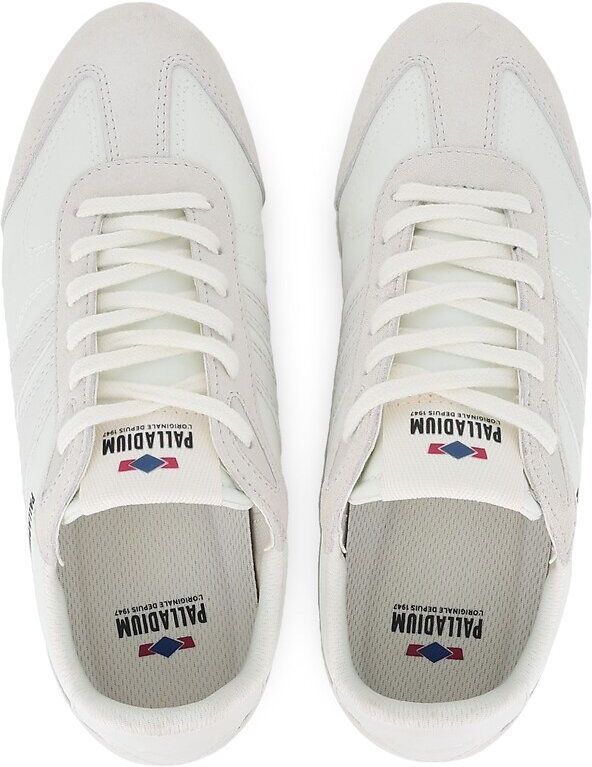
PALLADIUM Baskets Pallaracer FlameDétails produit • Usage sportswear • Talon plat • Fermeture : A lacets Composition et Entretien • Dessus/Tige : 45% polyamide, 35% nubuck, 20% synthétique • Doublure : 100% polyester • Semelle intérieure : 100% polyester • Semelle extérieure : 100% caoutchouc • OEKO-TEX® Standard 100. La certification OEKO-TEX® Standard 100 contrôle les substances nocives des produits textiles via un label indépendant et international.58,50 €*Shipping: 3,99 €Secure redirect to the provider
-
GOLA Baskets DAYTONA BLAZEDétails produit • Usage sportswear • Talon plat • Fermeture : A lacets Composition et Entretien • Dessus/Tige : 80% polyuréthane, 20% cuir • Doublure : 100% textile • Semelle intérieure : 100% textile • Semelle extérieure : 100% caoutchouc • CUIR ISSU DE TANNERIES AUX PERFORMANCES ENVIRONNEMENTALES CERTIFIÉES. La certification Leather Working Group (LWG) est une certification internationale de référence portant sur la performance environnementale des tanneries (consommation d’énergie et d’eau, rejets dans l’eau, émissions dans l’air, etc.).100,00 €*Shipping: 3,99 €Secure redirect to the provider
-
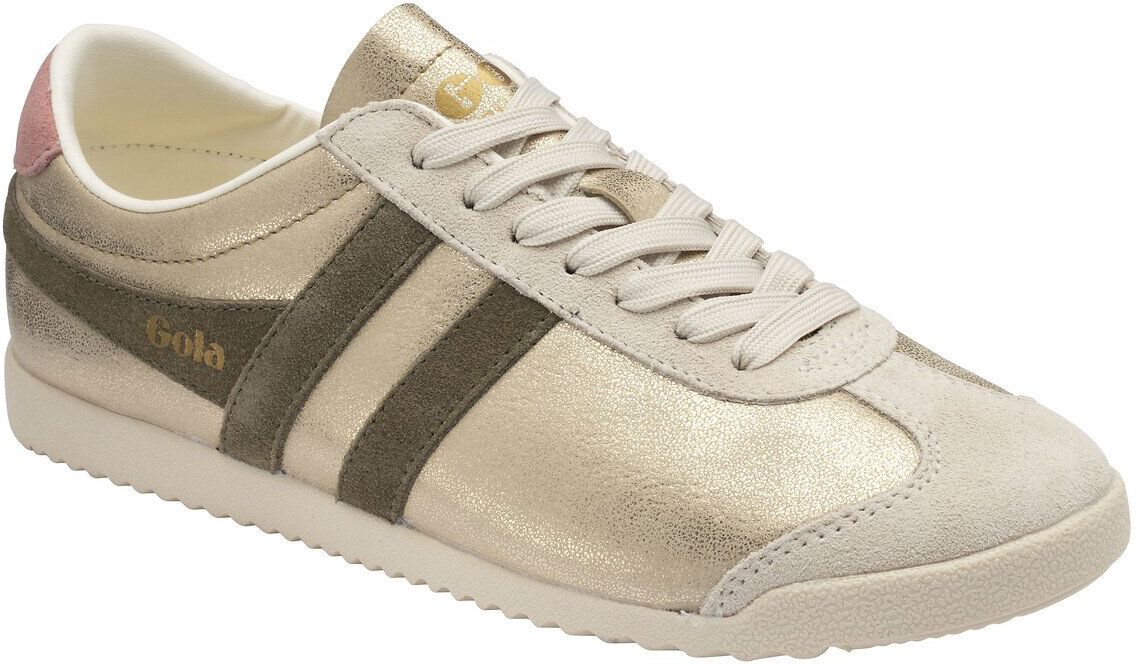
GOLA Baskets BULLET BLAZEDétails produit • Usage sportswear • Talon plat • Fermeture : A lacets Composition et Entretien • Dessus/Tige : 80% polyuréthane, 20% cuir • Doublure : 50% autres matériaux, 50% textile • Semelle intérieure : 100% textile • Semelle extérieure : 100% caoutchouc • CUIR ISSU DE TANNERIES AUX PERFORMANCES ENVIRONNEMENTALES CERTIFIÉES. La certification Leather Working Group (LWG) est une certification internationale de référence portant sur la performance environnementale des tanneries (consommation d’énergie et d’eau, rejets dans l’eau, émissions dans l’air, etc.).100,00 €*Shipping: 3,99 €Secure redirect to the provider
-
PALLADIUM Baskets Pallacup Flame SuedeDétails produit • Usage sportswear • Talon plat • Fermeture : A lacets Composition et Entretien • Dessus/Tige : 100% nubuck • Doublure : 100% polyester • Semelle intérieure : 100% polyester • Semelle extérieure : 100% caoutchouc • OEKO-TEX® Standard 100. La certification OEKO-TEX® Standard 100 contrôle les substances nocives des produits textiles via un label indépendant et international.65,00 €*Shipping: 3,99 €Secure redirect to the provider


-
Which French relative pronouns are there: lequel or dont?
The French relative pronouns "lequel" and "dont" both serve different purposes. "Lequel" is used to refer to a specific noun and has different forms depending on the gender and number of the noun it refers to. On the other hand, "dont" is used to indicate possession or to introduce a relative clause with verbs that require the preposition "de." Both pronouns are important for constructing complex sentences and adding specificity to the language. **
-
What is the difference between "dont" and "duquel" in French?
In French, "dont" and "duquel" are both relative pronouns used to introduce a clause that provides additional information about a noun. However, "dont" is used to replace "de + qui/que" and is used when the main verb requires the preposition "de." On the other hand, "duquel" is used to replace "de + lequel/laquelle/lesquels/lesquelles" and is used when the main verb requires the preposition "de" and the noun is masculine singular or plural. In summary, "dont" is used to replace "de + qui/que" and "duquel" is used to replace "de + lequel/laquelle/lesquels/lesquelles." **
-
Which of them (de laquelle, duquel or dont) is grammatically correct?
The correct choice depends on the gender and number of the noun it refers to. "De laquelle" is used for feminine singular nouns, "duquel" is used for masculine singular nouns, and "dont" is used for both masculine and feminine singular or plural nouns. It's important to match the relative pronoun with the noun it refers to in terms of gender and number. **
-
Can you help me with the French relative pronouns lequel and dont?
Of course! The relative pronoun "lequel" is used to refer to a previously mentioned noun and can be masculine, feminine, singular, or plural. It has different forms depending on the gender and number of the noun it refers to. On the other hand, "dont" is used to replace "de + noun" and is used to indicate possession or relationship. It is used to connect a main clause to a subordinate clause. I can provide more specific examples or help with any other questions you may have about these relative pronouns. **


When do we use ce qui, ce que, qui, que, dont, and lequel?
We use "ce qui" when the subject of the verb is unknown or unspecified. "Ce que" is used when the object of the verb is unknown or unspecified. "Qui" is used as the subject of the verb, while "que" is used as the direct object of the verb. "Dont" is used to indicate possession or relationship, and "lequel" is used to refer to a specific noun that has been previously mentioned. **
Why is there no flame in the gas heater, only a spark?
A gas heater uses a spark to ignite the gas and create a flame. Once the gas is ignited, it continues to burn and produce heat without the need for a continuous spark. Therefore, after the initial spark, there is no need for it to remain lit as long as the gas is burning. This is why you may only see a spark when the gas heater is turned on, and not a continuous flame. **
Top-Angebote
Products related to Dont:
-
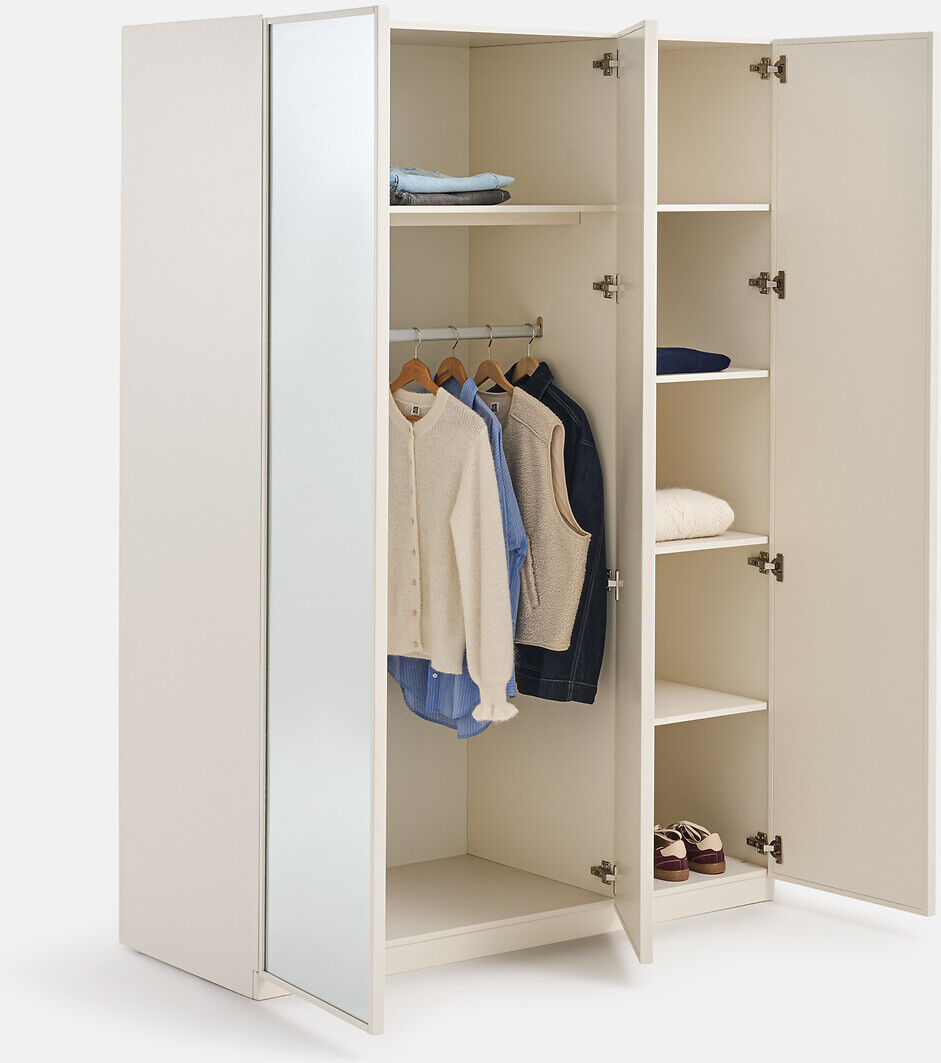
LA REDOUTE INTERIEURS Armoire 3 portes dont 1 avec miroir, penderie et lingère, PARROIndispensable de tout intérieur bien ordonné : l'armoire Parro s'impose dans une chambre, un dressing ou même un couloir. Derrière ses 3 portes aux lignes minimalistes, des espaces propices au rangement : une penderie et des étagères.Pratique et bien pensée : la porte avec son miroir pleine hauteur pour checker sa tenue. Une création signée La Redoute Intérieurs. Description • Structure et étagères en MDF finition vernis nitrocellulosique • Barre de penderie en aluminium • 3 portes battantes dont 1 avec miroir intégré • 1 penderie et 1 étagère fixe côté gauche intérieur • 4 étagères fixes côté droit intérieur Dimensions Totales • Largeur : 148 cm • Hauteur : 206 cm • Profondeur : 60 cm • Poids : 136,5 kg Utiles • Etagère à gauche : L96 x H38 x P55,2 cm • Penderie à gauche : L96 x H157,3 x P55,2 cm • Hauteur entre l'étagère et la barre de penderie : 70 cm • Etagères à droite : L47,4 x H38,1 x P55,2 cm • Ce produit est vendu à monter soi-même. • BOIS ISSU DE FORÊTS GÉRÉES PLUS DURABLEMENT. Le bois certifié FSC® est issu de forêts bien gérées sur le plan environnemental, social et économique. Dimensions et poids des colis 3 colis • L216 x H10 x P107 cm, 63 kg • L209 x H15 x P57 cm, 49 kg • L155 x H14 x P66 cm, 47 kg899,00 €*Shipping: 69,90 €Secure redirect to the provider
-
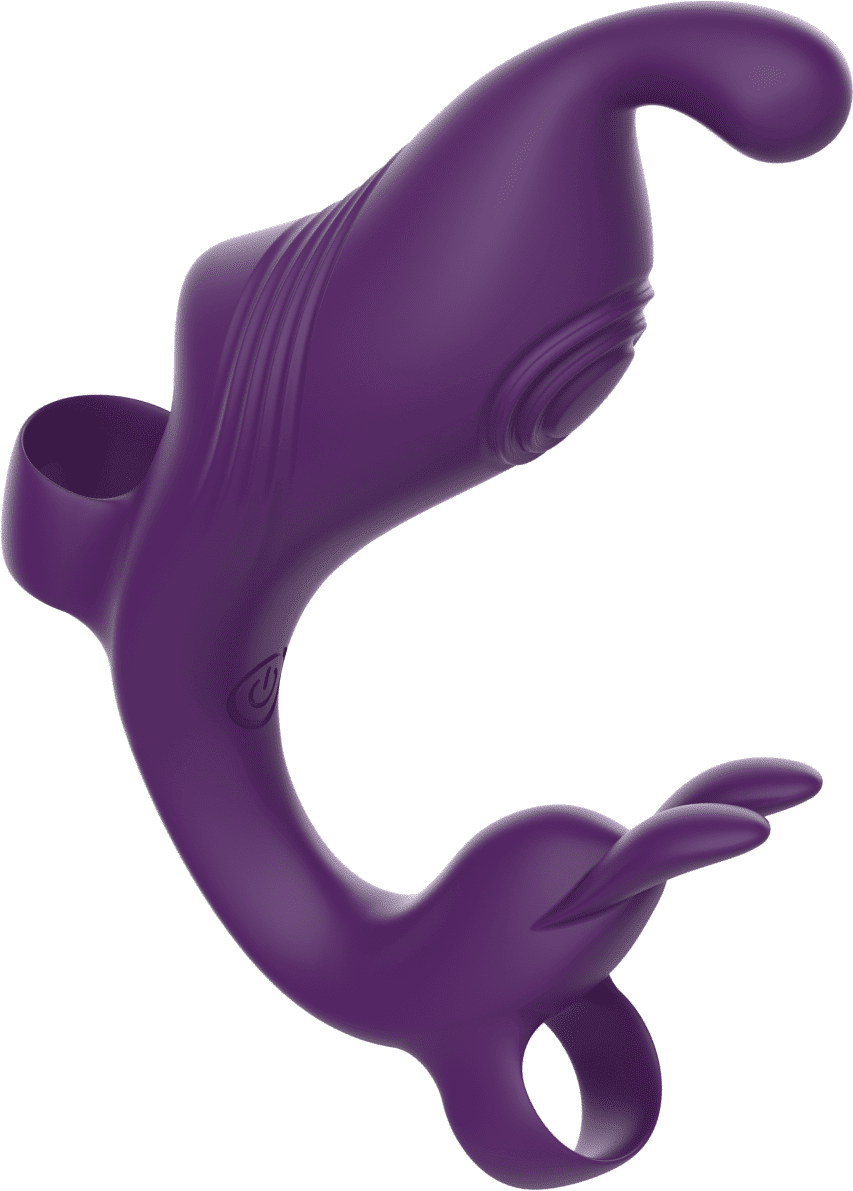
Coeur Ardent Doigt Vibrant à Double Moteur INFERNOFaites glisser vos doigts et sentez la vibration s’éveiller sous la peau. C’est instantané. La main s’anime, le rythme change, la curiosité monte. Avec le Doigt Vibrant à Double Moteur INFERNO de Coeur Ardent, chaque geste devient une découverte.Deux moteurs pour une intensité maîtrisée 🔥Ce petit37,99 €*Shipping: 0,00 €Secure redirect to the provider
-
PALLADIUM Baskets Pallaracer FlameDétails produit • Usage sportswear • Talon plat • Fermeture : A lacets Composition et Entretien • Dessus/Tige : 45% polyamide, 35% nubuck, 20% synthétique • Doublure : 100% polyester • Semelle intérieure : 100% polyester • Semelle extérieure : 100% caoutchouc • OEKO-TEX® Standard 100. La certification OEKO-TEX® Standard 100 contrôle les substances nocives des produits textiles via un label indépendant et international.58,50 €*Shipping: 3,99 €Secure redirect to the provider
-
GOLA Baskets DAYTONA BLAZEDétails produit • Usage sportswear • Talon plat • Fermeture : A lacets Composition et Entretien • Dessus/Tige : 80% polyuréthane, 20% cuir • Doublure : 100% textile • Semelle intérieure : 100% textile • Semelle extérieure : 100% caoutchouc • CUIR ISSU DE TANNERIES AUX PERFORMANCES ENVIRONNEMENTALES CERTIFIÉES. La certification Leather Working Group (LWG) est une certification internationale de référence portant sur la performance environnementale des tanneries (consommation d’énergie et d’eau, rejets dans l’eau, émissions dans l’air, etc.).100,00 €*Shipping: 3,99 €Secure redirect to the provider
-
When do you use "dont" in French?
"Dont" is used in French to indicate possession or to replace the preposition "de" followed by a noun. It is used when the noun being replaced is the object of the verb in the relative clause. For example, "La fille dont j'ai parlé" (The girl I talked about) or "Le livre dont tu as besoin" (The book you need). **
-
Is there a difference between dont and duquel?
Yes, there is a difference between "dont" and "duquel" in French. "Dont" is used to indicate possession or relationship and is equivalent to "whose" or "of which" in English. For example, "le livre dont je t'ai parlé" means "the book that I told you about." On the other hand, "duquel" is a relative pronoun that is used to refer to a specific noun with a preposition, such as "le livre duquel je t'ai parlé" meaning "the book about which I told you." So, while both words are used to introduce relative clauses, they are used in different contexts and have different meanings. **
-
Which French relative pronouns are there: lequel or dont?
The French relative pronouns "lequel" and "dont" both serve different purposes. "Lequel" is used to refer to a specific noun and has different forms depending on the gender and number of the noun it refers to. On the other hand, "dont" is used to indicate possession or to introduce a relative clause with verbs that require the preposition "de." Both pronouns are important for constructing complex sentences and adding specificity to the language. **
-
What is the difference between "dont" and "duquel" in French?
In French, "dont" and "duquel" are both relative pronouns used to introduce a clause that provides additional information about a noun. However, "dont" is used to replace "de + qui/que" and is used when the main verb requires the preposition "de." On the other hand, "duquel" is used to replace "de + lequel/laquelle/lesquels/lesquelles" and is used when the main verb requires the preposition "de" and the noun is masculine singular or plural. In summary, "dont" is used to replace "de + qui/que" and "duquel" is used to replace "de + lequel/laquelle/lesquels/lesquelles." **
Similar search terms for Dont
-
GOLA Baskets BULLET BLAZEDétails produit • Usage sportswear • Talon plat • Fermeture : A lacets Composition et Entretien • Dessus/Tige : 80% polyuréthane, 20% cuir • Doublure : 50% autres matériaux, 50% textile • Semelle intérieure : 100% textile • Semelle extérieure : 100% caoutchouc • CUIR ISSU DE TANNERIES AUX PERFORMANCES ENVIRONNEMENTALES CERTIFIÉES. La certification Leather Working Group (LWG) est une certification internationale de référence portant sur la performance environnementale des tanneries (consommation d’énergie et d’eau, rejets dans l’eau, émissions dans l’air, etc.).100,00 €*Shipping: 3,99 €Secure redirect to the provider
-
PALLADIUM Baskets Pallacup Flame SuedeDétails produit • Usage sportswear • Talon plat • Fermeture : A lacets Composition et Entretien • Dessus/Tige : 100% nubuck • Doublure : 100% polyester • Semelle intérieure : 100% polyester • Semelle extérieure : 100% caoutchouc • OEKO-TEX® Standard 100. La certification OEKO-TEX® Standard 100 contrôle les substances nocives des produits textiles via un label indépendant et international.65,00 €*Shipping: 3,99 €Secure redirect to the provider
-
ADIDAS SPORTSWEAR Baskets LIGHTBLAZE BLAZEDétails produit • Usage sportswear • Talon plat • Fermeture : A lacets Composition et Entretien • Dessus/Tige : 50% autres matériaux, 50% textile • Doublure : 100% textile • Semelle intérieure : 100% textile • Semelle extérieure : 100% caoutchouc90,00 €*Shipping: 3,99 €Secure redirect to the provider
-
GOLA Baskets à scratchs, DAYTONA BLAZE STRAPDétails produit • Usage sportswear • Talon plat • Fermeture : A scratchs Composition et Entretien • Dessus/Tige : 80% polyuréthane, 20% cuir • Doublure : 100% textile • Semelle intérieure : 100% textile • Semelle extérieure : 100% caoutchouc • CUIR ISSU DE TANNERIES AUX PERFORMANCES ENVIRONNEMENTALES CERTIFIÉES. La certification Leather Working Group (LWG) est une certification internationale de référence portant sur la performance environnementale des tanneries (consommation d’énergie et d’eau, rejets dans l’eau, émissions dans l’air, etc.).65,00 €*Shipping: 3,99 €Secure redirect to the provider
-
Which of them (de laquelle, duquel or dont) is grammatically correct?
The correct choice depends on the gender and number of the noun it refers to. "De laquelle" is used for feminine singular nouns, "duquel" is used for masculine singular nouns, and "dont" is used for both masculine and feminine singular or plural nouns. It's important to match the relative pronoun with the noun it refers to in terms of gender and number. **
-
Can you help me with the French relative pronouns lequel and dont?
Of course! The relative pronoun "lequel" is used to refer to a previously mentioned noun and can be masculine, feminine, singular, or plural. It has different forms depending on the gender and number of the noun it refers to. On the other hand, "dont" is used to replace "de + noun" and is used to indicate possession or relationship. It is used to connect a main clause to a subordinate clause. I can provide more specific examples or help with any other questions you may have about these relative pronouns. **
-
When do we use ce qui, ce que, qui, que, dont, and lequel?
We use "ce qui" when the subject of the verb is unknown or unspecified. "Ce que" is used when the object of the verb is unknown or unspecified. "Qui" is used as the subject of the verb, while "que" is used as the direct object of the verb. "Dont" is used to indicate possession or relationship, and "lequel" is used to refer to a specific noun that has been previously mentioned. **
-
Why is there no flame in the gas heater, only a spark?
A gas heater uses a spark to ignite the gas and create a flame. Once the gas is ignited, it continues to burn and produce heat without the need for a continuous spark. Therefore, after the initial spark, there is no need for it to remain lit as long as the gas is burning. This is why you may only see a spark when the gas heater is turned on, and not a continuous flame. **
* All prices are inclusive of VAT and, if applicable, plus shipping costs. The offer information is based on the details provided by the respective shop and is updated through automated processes. Real-time updates do not occur, so deviations can occur in individual cases. ** Note: Parts of this content were created by AI.